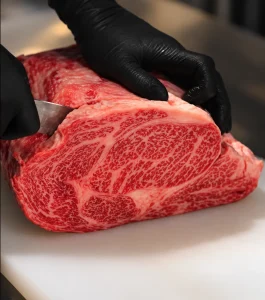
The Kobe Beef Certificate and Stamps | How the Real Thing Is Proven
Kobe Beef carries official stamps and a certificate, the Kobe Niku no Sho. Why the name cannot simply be claimed, explained by Wagyu Steak HIRO in Kawaramachi, Kyoto.

Kobe Beef carries official stamps and a certificate, the Kobe Niku no Sho. Why the name cannot simply be claimed, explained by Wagyu Steak HIRO in Kawaramachi, Kyoto.
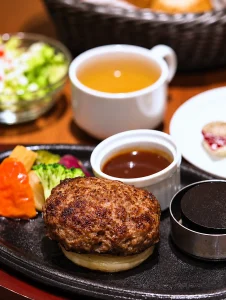
When hosting visitors in Kyoto, check the menu languages and payment options first. Wagyu Steak HIRO has menus in Japanese, English, Korean and Chinese, and accepts Alipay, PayPay and major cards.
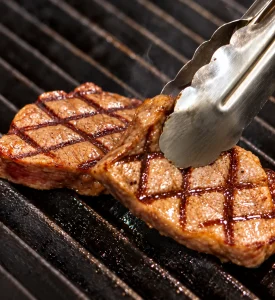
There is no single right doneness for steak. The differences between rare, medium and well done, and how to decide with wagyu, from Wagyu Steak HIRO in Kawaramachi, Kyoto.
Tajima cattle destined to become Kobe Beef are raised for roughly 30 to 32 months, two to four months longer than ordinary Japanese Black cattle. Explained by Wagyu Steak HIRO in Kyoto.

In Kyoto autumn leaf season, travel and meals are what eat your day. Shijo-Kawaramachi works as a base, and a restaurant close to the station keeps the schedule workable. Lunch and dinner at Wagyu Steak HIRO.
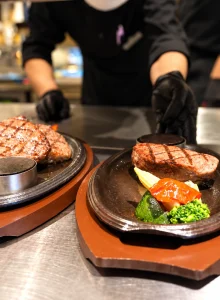
On a rainy day in Kyoto, choosing somewhere indoors and close to a station keeps your plans intact. Wagyu Steak HIRO is a short walk from Hankyu Kawaramachi Station, on the 8th floor, open daily.
Wagyu and domestic Japanese beef are not the same thing. Wagyu is a breed name; domestic beef refers to cattle raised in Japan. How to read the labels, explained by Wagyu Steak HIRO in Kyoto.
Kobe Beef and Tajima beef are not different cattle. Tajima is the breed line; Kobe Beef is the name given to Tajima cattle that meet strict standards. Explained by Wagyu Steak HIRO in Kawaramachi, Kyoto.
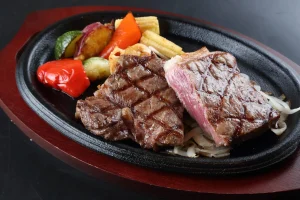
It’s precisely because of our busy daily lives that we want to cherish the special moments we spend as a couple. Whether it’s a wedding
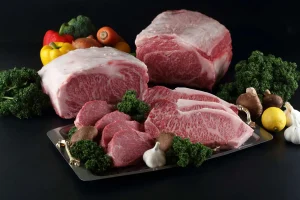
A wedding anniversary is an important milestone for a married couple that comes once a year. Since this is a special day to look back